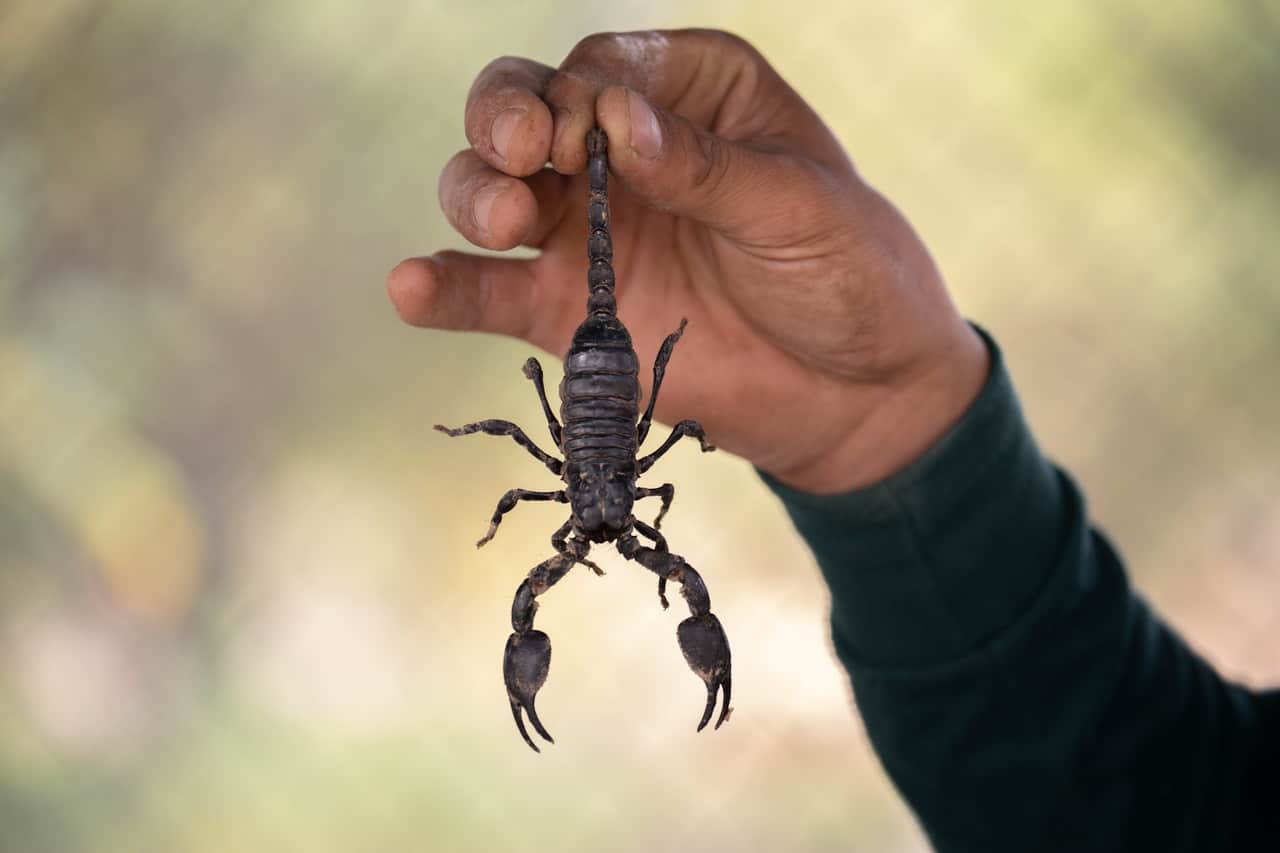
Phoenix and nearby cities like Tempe, Chandler, and Peoria are close to the Sonoran Desert, which is a habitat for scorpions. Expectedly, sightings aren’t rare in homes and neighborhoods. The problem is persistent in North Phoenix, Ahwatukee, and the East Valley, while older homes in Central Phoenix also have these pests due to structural gaps.
Scorpion bites are painful and require medical care, which obviously means that you shouldn’t attempt to handle them. Thankfully, companies like Green Mango offer Phoenix scorpion control services with a record response time. You can trust the local technicians to remove the species from your property safely. Before you get help, here are some aspects worth your attention.
Scorpion Species in Phoenix Metro
The Arizona Bark Scorpion is the most common species in Phoenix and the surrounding areas. These can cause painful stings that can be severe for pets and kids. Scorpions are excellent climbers, so don’t be surprised to find them on the upper levels of your property. Arizona Stripetail Scorpion is also a recurring species in Greater Phoenix and can be found in debris and under rocks. While the venom isn’t harmful for humans, having them around isn’t desirable for obvious reasons. Giant Desert Hairy Scorpion is also found here, which is bigger in size and lives outdoors, although occasional sightings near structures aren’t rare. Stings aren’t medically serious, but people usually complain of extreme pain.
Should Phoenix Homeowners Worry About Scorpions?
The short answer is yes. Arizona bark scorpion bites can induce neurological issues, especially in the elderly and kids, and it is vital to get medical care immediately for severe reactions. Like many pests, scorpions are nocturnal and can hide indoors, so encounters in garages and other areas can be worrisome. The presence of this pest also indicates more insects, especially roaches and crickets. Urban development is a reason why more sightings have been reported in many areas.
Seasonal Scorpion Activity in Phoenix
Between March and May, during spring, rising soil temperatures prompt scorpions to emerge from hiding spots, while summer humidity and heat push them from their natural habitats into yards. Irrigation is also a factor, as moisture is preferable to scorpions. Cooler nights in fall drive scorpions close to homes and structures in search of food, while during peak winter, activity might be slightly dormant. If your exterior landscaping includes rocks, wood piles, and mulch or if the property has aging foundations, sightings are more likely.
Signs of Scorpions
Actual sightings are an obvious sign, while you may also find them using blacklights. Many people also spot scorpions through tracks and trails, while it is also usual to find shed skin near outdoor areas. Scorpions leave small, darker droppings behind, and if the population increases in your area, you may also hear quiet movement sounds.
Professional Scorpion Control – A must
Once you find signs of scorpions, it is wise to call a professional service for immediate help. Do not try to remove them, as these stingers can be aggressive. Technicians can safely remove scorpions from the property while sticking to standard measures. As for prevention, you have to work with your pest control team for exclusion and reducing habitats. Spot treatments aren’t recommended unless other steps are in place. Professionals will usually inspect the property to understand the landscape and moisture patterns, as well as entry points.
If you choose a dependable local company for ongoing pest control in Phoenix, they can take adequate measures to counter all common species in the region. For occasional sightings and sudden pest surges, you can get immediate assistance, often for no added charges. Ensure that the company adheres to IPM-inclined steps and focuses on safe removal and exclusion rather than spraying chemicals or products. Scorpions are a part of the local ecosystem – Your focus should be on keeping them away from the house.
