Horizon West continues to grow, with new homes, landscaped yards, and backyard gardens throughout the area. Plants thrive in the area because of the warm weather, regular rain, and healthy soil. Unfortunately, these same conditions also attract garden pests. These pests can cause leaf damage, stunted growth, or sudden plant loss. This makes Horizon West pest control an important part of yard maintenance. Homeowners who want to protect their plants from pests should be aware of the common garden pests in the area.
Aphids
Aphids cluster on stems, leaves, and buds. They feed on plant sap, which weakens growth and causes leaves to curl or yellow. Aphids also produce a sticky residue called honeydew. This substance attracts ants and promotes mold growth on leaves. Plants covered in honeydew struggle to absorb sunlight.
Caterpillars
Caterpillars feed on leaves, flowers, and fruits. Their feeding leaves large holes or stripped stems behind. They are usually drawn to tomatoes, peppers, cabbage, and ornamental plants. Caterpillars blend in well with foliage, but they often go unnoticed until they cause severe damage to plants. Regular plant checks help spot them before plants suffer heavy loss.
Whiteflies
Whiteflies resemble tiny white moths and gather on the undersides of leaves. When disturbed, they fly up in small clouds. These pests feed on plant sap, which weakens plants over time. Whiteflies also spread plant diseases and produce honeydew. This residue leads to mold growth and attracts ants. Warm temperatures in Horizon West allow whiteflies to remain active through much of the year. These pests are usually attracted to vegetable gardens and ornamental plants.
Spider Mites
Spider mites thrive during hot and dry periods, which occur often in Horizon West between rain cycles. These tiny pests live on the undersides of leaves and feed by piercing plant cells.
Damage from spider mites may appear as small yellow or white speckles on leaves. Severe infestations cause leaves to dry out and drop. Fine webbing may appear on heavily infested plants. Flowering plants, vegetables, and shrubs often attract spider mites.
Beetles
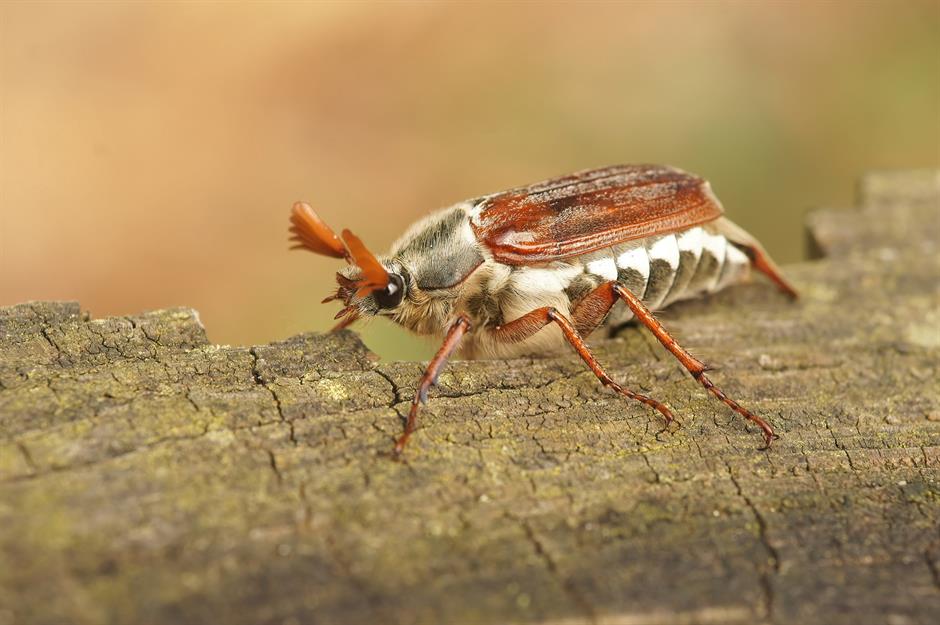
Adult beetles chew leaves, while larvae may attack roots below the soil. Leaf damage appears as holes, notches, or skeletonized foliage. Root damage often leads to wilting or poor growth despite proper watering. Grubs live in soil and feed on roots. Lawns and garden beds can suffer from this activity.
Thrips
Thrips are slender insects that feed on leaves and flower petals. Their feeding causes silver streaks, distorted growth, and damaged blooms. These pests often target flowering plants, vegetables, and fruit trees. Thrips also spread plant diseases, which adds to the damage.
Fire Ants
Fire ants create mounds throughout lawns and garden areas in Horizon West. These ants damage plants by disturbing roots and soil structure. Their aggressive behavior also poses a risk to people who work in gardens. Fire ant stings cause pain and swelling, which discourages garden care.
Fire ants protect aphids and other pests in exchange for honeydew. This partnership worsens pest problems by allowing sap-feeding insects to thrive.
Slugs and Snails
Slugs and snails appear in shaded or moist garden areas. These pests feed at night and leave irregular holes in leaves along with silvery trails. Seedlings and tender plants face the most risk. A night of feeding can destroy young plants. These pests can take shelter in mulch, dense ground cover, and damp soil.
Rodents
Rats and mice feed on fruits, vegetables, seeds, and roots. Signs of rodent activity include gnawed produce, burrows, and droppings. Raised beds and compost piles often attract rodents. Rodents also damage irrigation lines and create soil disturbance. Their presence increases the risk of disease and further pest issues.
